Kirby Orr joins Claire to talk about the complicated grief of being a foster parent and loving children who may not remain in your home. Kirby shares how she and her wife began fostering with the hope of helping children reunite with their biological families, and how one particularly difficult case changed their family. She reflects on the trauma of having to step away from a child they deeply loved, the guilt and shame that followed, and the pain of losing contact before eventually reconnecting. Together, Kirby and Claire explore the grief that can exist without death, the lack of support available to foster families and children, and the harm of comparing one person’s suffering to another’s. They also discuss the pressure to be resilient and why perseverance may be a more meaningful way to describe continuing through difficult experiences.
In the US, call or text 988 to reach the Suicide & Crisis Lifeline.
Outside the US, find a local helpline at findahelpline.com.
Speaker A: Hi, Kirby.
Speaker B: Hi, Claire.
Speaker A: Thanks for coming on.
Speaker B: Yeah.
Speaker A: Do you want to introduce yourself?
Speaker B: Yeah, I’m Kirby Orr. I’m a nurse and a nurse practitioner, and I did foster care for a few years, and that’s kind of what brings me here.
Speaker A: Okay, well, why don’t you tell me about your progression with foster care?
Speaker B: What was—
Speaker A: What got you into it in the first place?
Speaker B: Yeah, yeah. My wife and I, we actually initially went to Boys and Girls Aid because a friend of ours had adopted two children from there. And that was sort of our plan. And then as we went through the classes, one of the very first classes, one of the things they talk about is studies that indicate if a child can make a secure attachment in the first three years of life, that it sets them up in the future, no matter sort of what happens to them, it increases their resiliency, which I have feelings about that word, but that’s the science. And it helps them form stable, healthy attachments in the future, sort of regardless of the things that happen in between.
Speaker A: For those of us, including myself, who don’t totally know, like, what is the Boys and Girls Aid?
Speaker B: It’s a program where they help. They do some foster care things. But Boys and Girls Aid specifically matches families to children in foster care who are available for adoption. So the plan is no longer reunification for them. The plan is to have them adopted. And so initially, that was what we did, but it was that specific statistic that sort of changed our mind. And we actually decided, you know what? I think we’ll do foster care without the intention of adoption because it felt like a really good way to use our skills. My wife is a therapist by education, and so a really good way to use our skills to help children and their families, their biological families. And so we kind of deviated at that point from adoption, and we actually went with DHS, and we did foster care through DHS.
Speaker A: Oh, wow. How long ago did this start?
Speaker B: Ooh, this was like 2018.
Speaker A: 2018. You started your foster care journey together. Okay. So originally went into the process wanting to adopt.
Speaker B: Yeah.
Speaker A: And was the intent to foster as many kids as possible, or did you have a goal within that?
Speaker B: No, no, our goal was just that, like, reunification, like getting kids back with their biological families. Cause science says that’s the best thing for them. And basically forming a healthy, secure attachment with every kid that sort of came through the door. So one thing people say a lot is just like, I would get too attached. And it’s sort of like, well, that’s actually the goal is to get attached to each and every kiddo who comes into your home, because that is what’s going to help them. Because you don’t have a lot of control in foster care. And so the only control we had or we have is to help them learn how to form these secure attachments.
Speaker A: Yeah, no, that makes a lot of sense. So going into it knowing, yes, it’s going to be hard because we are also going to become attached.
Speaker B: Right, right.
Speaker A: But the goal is not to keep these kids.
Speaker B: Right.
Speaker A: Okay. So you kind of go into it already knowing there’s gonna be some level of grief involved.
Speaker B: Yeah. Some loss. Yeah, yeah. I don’t know that, you know, what level of grief. Right. And I think it varied significantly, you know, depending on the kiddo, depending on the situation, that sort of thing. But yes, you sort of recognize there’s going to be some degree of loss. Right. And again, we were very, like, science-minded about it, you know, and it was like, well, these are the rules. You help them form a secure attachment and, you know, you don’t have any control. There you go. And that’s not to say some of these kids don’t come and they have had secure attachments before. Right. Like, I don’t want to discount that. And sometimes they haven’t.
Speaker A: Yeah. You know, both can be true. Right, with that. Yeah. And let me just clarify. You said a bit ago that in the first few years. The first three years.
Speaker B: Three years of life.
Speaker A: Yeah, three years of life. Okay. That was going to be my question. So not three years within the foster care system, from ages 0 to 3.
Speaker B: That’s all you get.
Speaker A: That’s all you get. That’s a really, that’s a small window in the grand scheme of things. Okay. So the intent was to foster newborn young kiddos or did you have, again, like an age range?
Speaker B: Yeah, you get to pick a window. And we picked four and under. Okay. For that reason. But also we had an older kiddo who at the time was like 13, 14. And it just felt like there needed to be a pretty significant difference for him, you know, not someone near his age and not someone who’s going to be in his business, like playing with his toys and his stuff, you know, so that just felt right for our family.
Speaker A: And so what was the first experience with foster care?
Speaker B: So you have to take classes and they do background checks and all this stuff. And so we had gotten a few calls, but we hadn’t gotten any kiddos placed with us. And so our first placement is sort of the one who brings me here. And so they came to us at, like, nine months old, almost 10 months. And they were actually our first placement, and they had already been with another home and had to be separated from a sibling. And so they came to us alone, and the sibling was placed somewhere else. He was just, like, lovely. He was like the cutest baby. He had his middle name the same as my soul dog when he came to us. Sorry.
Speaker A: Don’t apologize. Do you want to talk about your soul dog for a second?
Speaker B: I don’t know if that’ll help. No, it’s what’s interesting, actually, is a couple times before we did this, I mean, we’ve had some scheduling problems, but I was sort of like, I don’t know if, like, my grief is big enough or whatever. And then the other day, I was talking about this situation with someone, and I immediately, you know, could access the grief. I was like, oh, yeah, it’s there. It’s still there. Anyway, so I was trying to rate my grief and deciding that probably you didn’t need it on the podcast, but—
Speaker A: Like, the comparing.
Speaker B: Yeah, part of it, the comparing to other people’s grief, which I know is, like, probably not a thing you’re supposed to do, but, yeah, I assume we all do that.
Speaker A: Yeah, I think there’s a level of it for sure. So the emotion coming up right now is it you accessing the grief with this first kiddo in foster care and, or did some of it have to do with your soul dog?
Speaker B: You know, at the time, it just felt very, like, kismety, you know, and the kiddo actually came, and I was at work, and my wife was just like, oh, my God, you are going to love this baby. Like, immediately, she was like, you were going to just love this baby. And so I did just love that baby. And, yeah, it was lovely. And we met his bio mom pretty soon after his placement, and her story would just, like, break your heart.
Speaker A: And it’s—
Speaker B: It’s not really mine to share, but I will say that every kiddo that we had the, like, pleasure of caring for, you know, they come to care. I think people have this idea they come into care because they’re, like, physically abused or something. And for the most part, it was neglect due to substance use, mental health, just financial instability, houselessness, that sort of thing. And so the parents, like, love these kiddos, like, and they work hard to, like, get these kiddos back, and their stories would break your heart, you know, and so there was a lot of that throughout his case, where we just, like, rooted for these parents, and we, like, we love them to this day, and they sort of became like our adult children. And we’ve been in a lot of situations with them that are very much like you would be with your adult children. And I just often wish, like, man, if I could go back and help them form a healthy, secure attachment before they were three, would we be in this cycle that we’re still in with them and then their kids, you know?
Speaker A: Yeah.
Speaker B: So he came to us, we met the parents. It was very obvious that they, like, love this baby. And so there were a lot of ups and downs in the case, you know, a lot of times where it’s just a lot of unknown in foster care. So there’s a lot of times where they’re like, oh, the kid or kids are gonna go home in a couple weeks, and then something will happen. And actually, he did go at one point and was gone for, like, two nights before they called us and said, do you have space to, like, bring him back into your home? And we were like, yes, of course.
Speaker A: And they being DHS.
Speaker B: Yeah. You know, we were like, yeah, always, like, we always have a space for him. And we have a younger child who we did adopt from foster care. And so this very first kiddo was actually with us still when he came. So they, you know, grew up together. He was with us first time, probably like nine, nine months, 10 months. And then he went back home. His parents worked really hard. They worked their plan. They had a place for him, and he went back home, which also coincided with a time during the pandemic, which was very difficult for everyone because, you know, there was, like, lockdowns. And so there were times where we didn’t see him much, but we still saw him a fair amount. And anyway, he spent a lot of time with us. Him and our child are very close. They love each other. And then there started to be, you know, some struggles, I think, for the parents again. And we did some things with foster care, like a safety plan, basically. And so while you’re trying to, like, get stuff organized, if you have safe people in your life, the kids don’t go back back into care. They go through a safety plan. So we did some safety planning and, you know, took care of him while they worked on things.
We also had other kids throughout this time, so we would have different kids in our house, you know, so all of them kind of were with us at a time where the OG kid was with us. But, yeah, through the pandemic, that was obviously very difficult to foster. I mean, it’s difficult for everyone, but particularly foster care, you really need a lot of support and community because it’s a difficult thing, right? Ever to have a baby or, like, taking care of babies. But specifically, this is very, like, emotionally taxing on everyone. And I get, I don’t want to, like, center us as foster parents because we’re just, you know, there. And there’s, like, so much grief and stress on, like, the bio family, on these kiddos, right? Who just got removed and, like, randomly placed in my home. And yet there is still a lot of stress and, like, very difficult to do without the support of kind of our village during the pandemic.
Anyway, fast forward a little bit. But all that to say we had a lot of contact with him and never didn’t see him, right? And so there was a certain level of comfort that came with that, right? Like, to visualizing this child who has, like, become your child. Not exclusively my child, but, you know, we love and care about him in that same way. And many times he was our child. And we always said, like, we’ll always be the safety plan. We would always be available for him when he comes back into care, if he came back into care. And so we were for many years.
And then, gosh, four to five years later, the kiddo does come back into care, and now there’s also another baby. So we say yes, of course, because we’ve always said we’re gonna say yes. And it was awful. It was, like, out of control. Not this kiddo’s fault and not our fault either, which is harder to say, but it was just very difficult. So there were a lot of behaviors that were not safe for the other kids and animals in our house. We were very lucky. We did have a lot of help, but for the most part, it took four adults in our house at all times to manage the situation that we were in. And again, we have our kiddo who we did adopt, but at that time, we were going through that, which with DHS can be really tricky. And depending on how it’s going with that child’s bio family or connected family can be a very difficult time, understandably, for everyone.
So it’s a very difficult time. Anyway. And then we added this. We added two more kids, but it was, I don’t know. I have a hard time even, like, remembering all of it. I mean, it was very traumatic and we, my, it was all about just managing. So, you know, my wife and I were not very connected. And there was a point where we talked about, like, maybe I should take our kiddo and, like, the dog go live somewhere else. Like, go stay somewhere else to try to, like, manage the situation that we were in.
And I guess to that point, like, those were the lengths we were willing to go to for this child. Like, we love him just, I don’t have the words for it. Like, just as our own children, like, we love him so deeply, we would do anything for him. And then that sort of leads us to then what we had to do, which was not be the placement for him and, like, making that decision. It had to get very bad before we made that decision. And it really became like a safety issue. It got made for us, basically.
Speaker A: Can you share a little bit about what that looks like when it gets made for you? Like, what does that actually mean in the foster care system?
Speaker B: Well, yeah, so that’s. So there’s different levels of care that children can need. And so some kids could be in any foster home. Some kids need foster homes where they’re the only child. Maybe a foster home where there are no other children or dogs, that sort of thing. There’s also therapeutic level of foster care, and there’s different therapeutic levels of foster care. So those parents have sort of special training about, like, different sort of behavioral interventions.
Speaker A: Oh, I didn’t realize that that was—
Speaker B: Yeah. So, yeah. And then, and I’m not as familiar with, like, what levels of therapeutic foster care there are, but the kiddos can go there, and sometimes they go there for a period of time, and then they kind of level back down, you know, once they get some interventions. The other thing that’s difficult with kiddos in foster care is getting them connected to services. So even though you want the kiddo to be in therapy, you want them to be in OT, PT, all of those things, they’re the same waiting lists that are there for anyone when a child is placed with you.
Speaker A: So, yeah, I was curious about—
Speaker B: It’s not like they get, like, put up on a list or, you know, like, prioritized.
Speaker A: Correct. Yeah.
Speaker B: Right. There’s no, like, special DHS therapy. There are some connections, you know. It’s still about insurance and wait lists and lack of resources, which again, the lack of resources is often what’s bringing the kids into care anyway because their parents have no resources. So it’s a difficult system to work in. A necessary, difficult system.
Speaker A: Yeah.
Speaker B: You know.
Speaker A: Well, it just makes me think about the prioritizing in some ways, rightfully so. The, like, basic needs. And still at this point, I think in 2025, like, psychological needs are not seen as a basic need, right? So, like, we’ll get the kid housed and fed and, you know, hygiene and all of that, which, of course, is so needed, but we’ll just kind of table or put on the back burner the psychological help that they also desperately need. Like, need, not want or not prefer, like—
Speaker B: Right.
Speaker A: Need.
Speaker B: Right.
Speaker A: Yeah.
Speaker B: And we were on a lot of lists, and we would call and we would, you know, and it was just like, there was nothing available.
Speaker A: Yeah.
Speaker B: You know, and there was not the things that he needed, not the things we needed, but definitely not the things he needed in any sort of quick way.
Speaker A: And it doesn’t seem—sorry to cut off—it doesn’t seem like it’s something that, at least from what I’ve seen, that therapists, there’s a lot of people that specialize in it either. And you probably know more than I do. But last year, my esthetician, she was like, hey, you’re a therapist. Do you have any resources of people who specialize in working with kiddos who’ve been adopted? And I was like, no, I don’t, actually. And I even looked online and see what I could find for her, and I was even, like, not even just unimpressed, but so devastated that I couldn’t find anything, at least in the Portland metro area, of somebody who specializes in it.
Speaker B: Right.
Speaker A: And so that’s horrible, right?
Speaker B: And then add that, like, level of this kiddo, a kiddo who’s in and out of DHS care, right? So even the stability, if you do find someone who can, like, sort of help or who’s willing to whatever, you know, then they often move. They’re in a different home, whether it’s with the bios or a different foster home or a different, you know, and so just even continuity of care for pediatricians, right, is hard enough.
Speaker A: Yeah. Wow.
Speaker B: But then you add in there, like, something like a therapist that, like, maybe they’ve been on a wait list for years, right? But when they come up, they’re not with me anymore. I don’t know where they are or, you know, whatever. And so getting the care for these kids is really difficult. Really difficult. And so that was definitely a frustrating piece of our journey with a lot of different kiddos. But with this one in particular, because it felt like we had been asking for that for him for so long in so many different ways and so many different stays that he had with us or whatever, and it just wouldn’t happen, you know? It just never would happen. And you just sort of were watching this thing spiral out of control. And I think that is an experience, again, people have with their adult children or their teenagers, you know, but we were watching it with a baby and then a preschooler, and then, you know, just watching it escalate and then also always being like, well, yeah, we’re always here. We’ll always take him. We’ll always be available. And then, like, we couldn’t.
Speaker A: What did that conversation look like between you and your wife?
Speaker B: You know, it’s like, again, it’s such a weird time because I don’t even remember. Like I said, I was talking about this with someone else the other day, and then I sort of was repeating the conversation to my wife, and she was just like, well, no, it was actually this very specific thing. And I was like, oh, I don’t remember, you know? But, yeah, it was. There was a bunch of times where I said, I can’t do this. I can’t do this. And then it was like all the other things in life that you can’t do, and you just keep doing it, right? Until sort of the acting out escalated to a place where it was putting the other kids at risk, basically. And we were like, okay, there it is, you know? We have four adults in this house right now, and we are not able to keep everybody safe. We can’t do that.
And we had been, like, you’re always in communication with caseworkers. You’re always, you know, so there had been a lot of discussion already about the things we were struggling with, about how much we needed therapy, how much we needed intervention. And then it got to a point where we were like, we cannot keep the other children safe. And I think sort of thinking about that in connection with this other kiddo we had, who we had had his entire life since he was a newborn, who we were in the process of adopting and thinking, like, what could happen here, right, that would also impact our ability to proceed with that.
Speaker A: Yeah.
Speaker B: And that was really scary, obviously, and an added stress about trying to maintain and then all of the details of coordinating this move. I had to tell the bio mom, and she was very unhappy, understandably. She was also not well at the time. And so the conversations we had were hard, very hard, because this was not something we wanted to do, right? But this all also touched a deep, primal wound for her that we knew about. And it just felt like, gosh, we are just traumatizing people.
Meanwhile, like, living in this, what I now know is obviously very traumatic for all of us because, like, I can’t even remember the pieces of it. And we knew science. Every move that this kiddo has is also a trauma for him, right? And at least until this point, we had been the move he was making, and we were both people who loved and cared about him and he had strong attachments to. So there was some comfort in that. And here we were sort of giving up on him. And that broke us. It broke us.
It is the reason we don’t do foster care anymore for a variety of reasons, I think, in a logistical way. We had been begging for help for this kiddo for so long and not being able to access any resources, both when he was with us and when he wasn’t, you know, even for his parents, resources for him were just not available.
And then also in a very emotional and relational sort of way, it broke us. And again, I think for my wife and I, it was difficult because it was not a very connected time. It couldn’t be just by the nature of it.
Yeah. And then I think, you know, in those situations, I had a lot of guilt and blame about it for a long time, and I’m not sure initially we were going to do this together, so it would be interesting to hear her take on that. But I felt like, God, if I was a different person, we were just a different person. Like, we could do this. That’s what I felt like we needed, like, just not me. We needed someone else to be doing this because this wasn’t his fault, you know?
Speaker A: Who do you feel like you needed to be?
Speaker B: I mean, depending on the day, like, a more patient person, a more grounded person, a less previously traumatized person, maybe, you know, someone who hadn’t already been working for years to be a healed human or parent. Parenting. Had I known how much parenting was about, like, reparenting myself, I don’t know that I would have done it, like, to be honest, because—
Speaker A: The work just is so hard.
Speaker B: So hard. And you’re doing it while you’re already also, like, trying to raise humans, you know? And so, yeah, so all of those things and basically all the things that sort of make me who I am. And so it really became that where I was just like, if I was just a different person—
Speaker A: That sounds like shame.
Speaker B: So much shame.
Speaker A: I know you named guilt before, but, like, that something’s wrong with me inherently.
Speaker B: Yeah.
Speaker A: Hmm. Yeah. And I’m also glad you’re talking about the—you didn’t use this word, but ruptures between you and your wife because, and I wish I had a statistic just in my back pocket, but we know that grief is a very hard thing to go through with a partner. And I know there are statistics out there about child loss, and I think, I mean, that’s what we’re talking about. Obviously, it looks a different way in the foster care system, but it’s really hard on the family unit and on the core parents when a child loss happens. And it does. It impacts that dynamic deeply. So deeply. And it’s so important, I think, just to name.
Speaker B: Yeah. And I think, I know we would both identify it, you know, because it was like, I mean, we look back at that, and again, that was going on, and we were working on this adoption, which had gone to a committee, which is a whole other conversation, but it’s a very stressful time. And we are sometimes just like, I don’t know how we did the things. How did we? I don’t know how we went through it, honestly. And I don’t, again, remember a lot of the details about before or during.
Speaker A: Grief and trauma brain are a very real thing, right?
Speaker B: Yeah, it’s very real. And it’s interesting because until I try to talk about it, then I’m just like, oh, yeah, this was a bad time. And then when I get down to the nitty-gritty, I’m sort of like, whoa, okay, what happened?
Speaker A: You know?
Speaker B: But it was very bad. So we had to tell bio mom. She was very understandably upset. So that was really hard. And then also we had to tell the kiddo.
Speaker A: Yeah.
Speaker B: Oh. And that maybe that’s what broke us. I’m not really sure. We talked to the person who was taking him. We met her. We, with him, you know, and we tried to do it the best way we could, you know, but it was awful. And we still had three other kids at home, so we had to just keep going, I guess. But again, I don’t remember what that looked like. And so we still got to see him, which was also very hard. And we thought this is the right thing to do.
Speaker A: Yeah.
Speaker B: So we still would, like, meet up with them. And our youngest obviously cared about him and wanted to see him. And then we still had the baby.
Speaker A: And was the baby—were they biologically related? Okay. When you said that, it wasn’t totally clear. Okay.
Speaker B: Yeah. So same—
Speaker A: Same mom, correct? Yeah.
Speaker B: Okay. The same.
Speaker A: Both parents. Okay. So you still were connected to the family.
Speaker B: We were still connected to the family, which was hard. And I will say he did very well in this other home, where he was able to be the only kiddo who got the attention and also got into, like, a school situation because of her connections, which I think was really lovely and helpful, and it was okay for a while. I think we were also just, like, going through the motions. We got to see him. It was okay. That was probably for, again, time’s not real, and especially during that time, it wasn’t super real, but, you know, nine months, maybe a year.
And then they went back to their bio parents, which, again, is where they belong. Their bio parents love them so much, and they have their own struggles, right? And the system is not set up to support them. And because of the rupture, because of the way everything happened, we did not get to see him, did not get to talk to anyone, know how he was doing, know how they were doing. And in the history of our relationship with them, that had never happened before. They had always been very communicative with us. We always kind of knew, based on the situation, how well they were doing. We could help them in certain ways and help support them, and we could not during this time.
And it was awful. I think that’s when it finally was like, we have lost him. We couldn’t, like, my wife and I couldn’t really even talk about it.
Speaker A: And so it’s such an interesting loss, I guess, because there was this acute loss, and we still got to see him. We still got to interact. We still got to see how well he was doing in this environment. Like, okay, maybe this decision was the right decision. I use quotes on that, because none of this was right for him.
Speaker A: Like you said, there’s so much outside of your control in the foster care system that you got to feel like there was some sense of also, quote, control.
Speaker B: Yeah.
Speaker A: When you were able to check in on him and physically see him and talk to him, and then when that just goes away, it’s like all sense of quote, control is just gone.
Speaker B: It was gone. Yeah. And he was gone for all intents and purposes.
Speaker A: Right.
Speaker B: And I think again, like, I hope I never know what it feels like to have a child die, because I think that is unimaginable. And this was the closest. I mean, I never wanted to come, but that’s how it felt, you know?
Speaker A: Of course.
Speaker B: And there was no good answer to give our kiddo, you know, like, where is he? I don’t know. I don’t know, you know? He’s with his mom. His mom worked really hard, you know, but it was, I don’t know if at first it felt like grief. I think there was a lot of shame, but that felt like grief.
I even said to my own therapist when we were talking about other things that, like, I’m not good at identifying feelings. And so when something was kind of, like, sad or bad, that was sort of my comparison. Was like, did it touch the same place that thinking about him touches? You know? And as we know with grief, it brings up every other grief you’ve ever experienced. And so, you know, things that you hadn’t thought about or whatever in a long time.
So it was just like a deep, heavy place with no, like, words or, like, community, no resource for that. Because, like, what do you—how do you explain that? You know, because if you weren’t there, if you weren’t there for those years where we loved and cared for him and his family as our own family, because they were. And then they were gone. And again, a lot of guilt, right? Because I’m like, you don’t get to be the center of this. Like, so many people experienced this in their family, right? Like, they experienced it so much worse. And so I think that also prevented me, at least from even in my own therapy. We don’t talk about it. It’s not—I’m not. So there’s nowhere for it to go, I guess, is how I felt.
Speaker A: How or what did your grief feel like during kind of in the immediate aftermath of all of that?
Speaker B: Or did you just shove it mostly? Just, yeah, I think just put it away. There were things, there were, like, songs that I couldn’t listen to, you know, and there were times where our kiddo would talk about him, and it was just, like, so hard, right? But for the most part, we just didn’t talk about it. We didn’t think about it, and I couldn’t touch it, you know? And even now, it’s so hard.
Speaker A: Did you notice different ways that you and your wife grieved it?
Speaker B: My wife, in general, is just, like, historically a more emotional person than I am. I don’t know that I know how she dealt with it. We didn’t really talk about it. Usually when we talk about it, it’s just to tell people that we had a case that broke us, and we will never do that again. We do now talk about it occasionally in this sense. What are we gonna do if he comes back into care? We know now that the answer is not, of course, we’ll always take him, you know? And that feels different now than it felt then.
Speaker A: Hmm.
Speaker B: Sort of seeing the aftermath of the whole thing has made it very clear, and just this hope that it never comes down to that, you know? Yeah. Where no one calls us and asks the question.
Speaker A: Yeah. And how longish has it been since you—all that happened? Your last contact?
Speaker B: So the story also has an interesting twist that I think makes the grief even more interesting, is that, unlike someone dying, we did not have any contact with them for about a year. And then we got this message around his birthday. We had seen him for a birthday when he was in foster care at another home, and then basically nothing. We got a message, and the mom was like, do you want to come to his birthday party? And we were like, fuck, yeah. Oh, my God. Yeah, we do. We do.
Speaker A: Yeah, we’ll be there, of course.
Speaker B: Like, you name it. Like, we’ll be there. And so we show up at this park, and there he was. Sorry. Yeah, it was wild. Because it’s like, well, you know, it’s that thing that you wish for when someone does die, right? Like, God, what would I give to just walk into a room and see them there? Yeah. And for, like, a year, I would have given so much. Yeah. To do that, you know, because in—
Speaker A: That year, I’m sure you were like, I’m never gonna see this kid again.
Speaker B: We’re never gonna see him again. Like, we’re never gonna see him. We’re never gonna know. Is he okay?
Speaker A: Yeah.
Speaker B: And we had talks about, like, well, maybe we can find him when he’s older, you know? Yeah. And so, yeah, it was. I think that’s another reason I think about the grief differently because I do know that feeling when someone is dead. And you think, I just want one more day. And so we got that, which is wild, you know? And it felt that way. It felt like, is this it? You know, is this my one? So it was beautiful and hard and lovely.
And the story is better after that. We did have more contact and we do get to see him pretty regularly now, and it is still hard. And he’s with his bio parents, and that is where he has always belonged. That was never for us, like, a question, which is so interesting, I think, considering foster care and other situations we’ve been in. And we get to have that contact. I mean, we do get to see him. And our kiddo gets to see him and talk about him and gets to ask things like, how many sleeps until I get to see him? You know? And so it’s with enough regularity at this point where we can make plans. But that question is still there. What happens if something happened and the grief is still there? Yeah, obviously.
Speaker A: Yeah.
Speaker B: So it’s a really interesting grief. And I think that was something I mentioned when you first started talking about this, that it’s like this weird, it’s a weird, complicated—not that all grief isn’t complicated, but yeah, this person we lost and then we got back a little bit, you know, which is always the thing that would cure your grief, I guess, like in other griefs, you know? It sort of feels like, well, if I could just get this person back, the grief would heal or whatever, evaporate, right? It would go away.
And while obviously there’s a bunch of pieces to that, it’s just still so interesting to me because I’m just like, well, why didn’t it go away? He’s okay.
Speaker A: What do you think? Why do you think it hasn’t, quote, gone away?
Speaker B: I don’t know, because I do think it went away sometimes, but I think it’s just a lack of, like, touching it, you know? And because of the situation we’re in right now, which, again, could change at any moment because we don’t have any control, you know? Then I think it makes it easier not to touch because it felt like for that year, you had to actively avoid it. Like, you kind of had to tiptoe around it or, like, change the song or just make sure no one asked about him or that, or. And so it doesn’t feel that way now. And yet it’s still, like, deeply embedded in, like, my soul. Yeah. And so I don’t know. I don’t know what that is, but—
Speaker A: I mean, I think a big part of it, if I had to venture a guess, is you still went through the experience, right? The trauma still happened. Just because in this present moment it looks different now doesn’t erase the chunk of time that you went through where it was really—it was traumatizing for so many different people involved.
And then there’s the system aspect of this that also there’s just grief involved with how sadly broken that system is in so many ways. And so just because we heal or there’s resolution, it doesn’t take away from what you went through.
What was coming up for me too, as you were saying that, is maybe a year or so ago. I guess if I had my phone, I could look at my grief dream journal. But I’ve had lots of dreams where I can’t remember. I don’t think I’ve had as many with my mom, but with my sister, that all of a sudden, like, she’s alive again. And there are just so many things that I want to ask her and talk to her about.
But I think what connects for me and what you said of you comparing, like, yeah, when people have died, like, they’re gone and you just want one more day. And even in my dream when she’s back, I’m still, like, devastated because of what had happened. And so in my dream where I do have another day with her or like, oh, she’s alive again, I still feel my grief so deeply, even in my subconscious state, in my sleep around what had happened.
And I think on some level knowing, like, okay, if this were real and she’s just alive now, even in my dream, I’m like, my grief isn’t gone from what has been for the last few years since she died. And so I think that’s really resonating with me of, like, of course you still have grief and you still have sadness when you think about that period of your life with this kiddo.
Speaker B: Yeah, I think that to me, and then has resonated in, you know, other grief experiences I have. That is the thing that was so interesting to me is that I even in that moment, and that’s been over a year and a half ago now when we saw him. And then in the preceding time after sort of thinking about it and sort of just crying and just being so emotional about it, that that’s what the thought was.
It’s sort of like, I thought this would heal this. I thought this would be the thing that made it go away. And it is the thing that sort of keeps bringing me back to this is a real grief. Is that that has been my experience. I’ve seen that with other people that, like, you just want, like, one more day. That feels like that’ll be the thing, right? Or you want them to come back or, you know, that would fix this. And it’s not the same, right? I know that. And it felt the same. It felt like, oh, no, it wouldn’t. Because it still happened.
Speaker A: Right.
Speaker B: Like, all the things that happen that, like, make up grief, whatever that looks like. Yeah, they still happen.
Speaker A: They still happen. They’re still part of your story.
Speaker B: Right. They’re still in your body. And so the grief is still real.
Speaker A: Yeah, I love that the grief is still real.
Speaker B: Well, it turns out.
Speaker A: As evidenced by—
Speaker B: Right, yeah.
Speaker A: I think one of the last things that I just want to reflect on, and I know you have awareness into this because I think you even—I know you’ve named it at the very beginning of recording this, but I think I feel a lot of sadness listening to you share your story because of the level of comparative suffering that you fall into.
And whether it’s you comparing your role within the foster care system, yeah, I’m not the parents that the kids was maybe taken from. I’m not the kid who’s going through the foster care system. And you’re, like, putting yourself on this level below these other experiences, and then you’ve compared yourself to other types of grief, and it’s not death.
And I just think comparative suffering keeps us stuck in comparative suffering, because right at the core of it, what it is, is we’re minimizing our experience. And I think oftentimes we get stuck in this. People do that, I think, because we’re trying to make sure the world or the community knows that we’re not saying, oh, my grief is so much worse. But that’s comparative suffering, too.
And it’s just your grief is right. And it’s not to say that the kiddos in foster care and the parents who are losing their kids or people who’ve lost people to death don’t also have grief.
Speaker B: Right.
Speaker A: And it does not make your grief any less valid. And I just think that it’s so unnecessary for you to be categorizing it when you’re talking about it. And I say that in the kindest, most compassionate way because, like, hearing your story, Kirby, your grief is so valid and so real, and my heart breaks listening to what you and your family went through during that time.
And our grief is very different. And I’m sitting across from somebody who has been through a really difficult time, and, like, you and your feelings are allowed to be expressed and heard without categorizing it.
Speaker B: And I think, like, I know that just, I do, I work, I hear a lot of grief. I hear a lot of things. And I don’t ever want someone to not feel they are entitled to their feeling, right?
And I think that was part of this experience for me because it felt like this sort of niche thing. But it doesn’t have to be this. But that a lot of people have these experiences that don’t have any place to go, right? Like, nobody talks about this thing that happened to us, right?
Like I said, I see a therapist and that’s not even, I mean, probably on me that I don’t talk about it too, but you know what I mean? That’s just like, I don’t even think something that, like, she sort of gets on, like, on a level, right?
And then even in the foster community, there’s not support really for that. There’s definitely not support for the grief that comes, honestly, with every kiddo, even if you’re excited about where they’re going and how it’s looking and all that stuff, right? Like, this was a kiddo that you loved and cared for. And so I felt like it was important to sort of talk about a different kind of grief.
Speaker A: Yeah.
Speaker B: You know, when you were talking about your podcast when you first started and I didn’t want to—it was both, right?
Speaker A: And so I know you just didn’t want to. It’s okay.
Speaker B: It was both. It felt important. Yeah, you’re here. I wanted my wife to just do it, like, so that the story got out there and people could understand, I guess, that yes, there are different kinds of grief, right? And they are all valid. And so, like, on a non-emotional level, I agree with that a hundred percent.
Speaker A: I know what you do.
Speaker B: And it was motivating to, like, do this for that reason because I was like, this is real. And like I mentioned, I’ve tried to talk myself out of it a couple times. Like, well, that’s sure, have you? You don’t need to do that. No one’s gonna relate to this particular thing, you know? And then it was like, that doesn’t matter because it’s more about the fact that, like, you can experience this deep, heavy grief with death and with other things, right?
Speaker A: Yeah. I was ready for you to bail at any moment. So I didn’t know that this was happening until you showed up.
Speaker B: Until I actually was like, okay, I parked until you’re physically in the non-parking spot.
Speaker A: Yeah. Okay, so almost done.
Speaker B: Yeah.
Speaker A: But I wanted to loop back around something you said at the very beginning. And I’m making some assumptions, but I just want to hear from you. So you said you have mixed feelings about the word resiliency. Can you tell me what your mixed feelings are?
Speaker B: My mixed feelings are deeply rooted in that, actually. As a young college student working on a bachelor’s in psychology, I actually did a research paper on resiliency and—
Speaker A: Oh, interesting.
Speaker B: So interesting, right? But as I have grown and done my own, like, healing and then working in foster care, and the idea that anyone needs to build resiliency or should do these things to have better resiliency, I just can’t, can no longer wrap my mind around that.
And I follow a lot of people on social media and I’ve had some interesting, like, debates about it. So I know people feel different ways about that, but for me, you know, and especially considering that’s sort of why we did foster care, right? Was to build some resiliency.
Speaker A: Yeah. With the kiddos and yourself.
Speaker B: Right.
Speaker A: Yeah.
Speaker B: And I think there’s probably a different way to talk about it that is less, like, person responsible or something. You know what I mean? Like, less about your resiliency and more about, I don’t know, having the right supports and creating that in the community.
And I don’t know, I feel like the opposite of resiliency is some sort of character flaw sometimes when we talk about it. And, like, I shouldn’t have had to be resilient.
Speaker A: Yeah.
Speaker B: That’s not something that should have happened to anyone, but you know what I mean? And so historically, that’s sort of where I’ve moved in my life. If that comes up, it’s sort of like, well, I shouldn’t have had to be. But thank you. I don’t know.
Speaker A: Yeah, right. Yeah. I’m glad I asked. That was part of my assumption, I think, in some ways. And you can correct me if I’m wrong, but for me, I don’t tell people that you’re so strong. And early in my grief, I got a lot of that from people. And normally it came up in the sense of, because in that moment, whatever that moment was, I wasn’t emoting or I got back to work quickly because I had to, right? And you’re so strong for being here.
And for me, a few things happen. One, I usually get, at least internally, frustrated of, like, well, I don’t want to fucking have to be strong. And the things that are, quote, strong in our society, very driven by, like, capitalism, usually. And also, like, that emotions are a bad thing.
And also what I hear is then I need to keep, quote, being strong. And then I’m not maybe allowed to have hard moments. And so, yeah, I have a very strong reaction when people tell me I’m being strong.
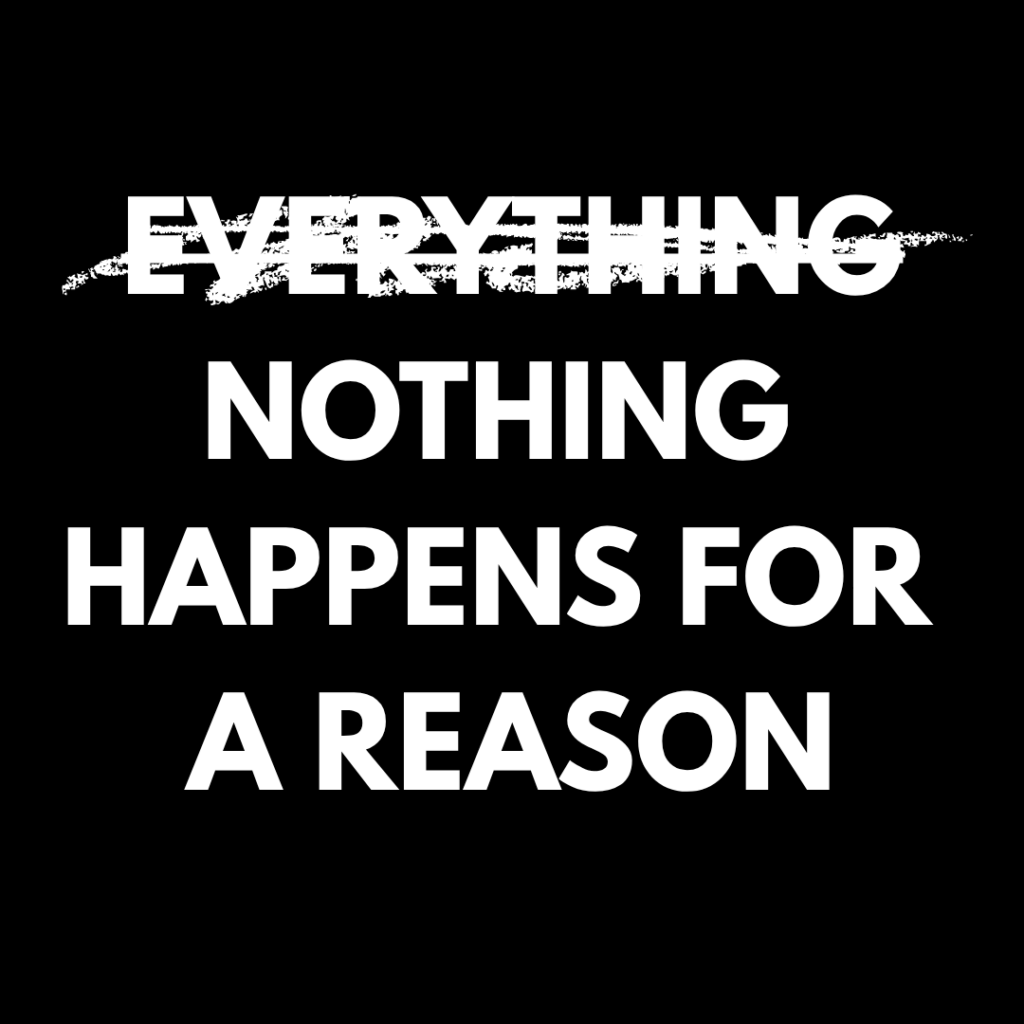
Or even, you know, in my line of work, when people, other clients to each other, like, you’re so strong, it really actually hits very close to, like, everything happens for a reason. For me, they’re both very strong reactions because the other side of strong is weakness, right?
And so I’m trying to, like, reframe it of, yeah, being resilient has come out of necessity and survival. And I wish I didn’t have to be this way. And, like, sure, maybe by definition I am resilient. Cool. But the word I’ve actually more connected with that I’ve tried to replace it with is perseverance. In some ways, it kind of has the same flavor, but for me, that word feels more empowering. I don’t know why, but I’ve tried to do some, like, value work around that too.
Speaker B: No, same. That’s kind of what we do at our home, at house. It’s just that you just keep trying whatever that looks like, you know? And I think that’s my struggle with resiliency is, or strong or any of those kind of things, is that then if a person isn’t looking like that, like your picture that you’ve decided, I feel like they are still persistent and they are still, you know, like the fact they’re still here, even if it doesn’t look like what you think it looks like, right?
So, like, yeah, it feels like a value, a value placed on something. And again, generally rooted in capitalism here in this country and our uncomfortableness with feelings, right? And so no, feelings get to work, you know, those kind of things. And it’s like, well, that person who doesn’t have a job and isn’t functioning at this place you’ve decided, they’re probably more resilient or persistent than me, in all fairness, to be doing the things they’re doing.
Speaker A: Yeah.
Speaker B: And you’ve labeled me this because I’m fitting—
Speaker A: Yeah.
Speaker B: You know, anyway.
Speaker A: Interesting. I just, when you said I don’t like the word resiliency, I was like, I’m gonna loop back around to that.
Speaker B: Yeah.
Speaker A: Because I think a lot of people relate to it.
Speaker B: So—
Speaker A: So we’re gonna end. Let me just ask. So how many kids have you guys fostered?
Speaker B: That’s so funny, because we were like, trying to decide that. I don’t know if we decided, cause we got probably distracted, but I mean, like, seven probably. I think we’ve had kids that, like, only stayed for three to four days.
Speaker A: Oh, okay.
Speaker B: And so, like, that’s harder to capture. And then we had the OG kiddo, who just kind of came back and forth over all the years.
Speaker A: Yeah.
Speaker B: And then our youngest is adopted, and we had him since he was, like, two weeks old. So, you know, so it ranged from, like, years to months to days.
Speaker A: Days. Yeah. Okay.
Speaker B: So, yeah.
Speaker A: Okay. Well, I just really, really appreciate you coming on. I know it was a hard, hard thing to commit to for lots of different reasons, but I really appreciate you seeing the value of sharing your story, your family story, because it’s not something that is talked about very often.
When you named it to me, when you’re like, if I ever would do this, I won’t. Don’t get excited. But, like, it’d be on foster care. I had a lot of gratitude for that because, yeah, not something I would have thought of. And something that I’m sure people who have been in the foster care system and people like you and your wife who have been foster parents, I’m sure there’s a lot of lived experiences that are very similar amongst us that there’s so much value in talking about.
And, yeah, I just, I really, I’m just grateful that you were willing to come on today.
Speaker B: Well, thank you. And thanks for asking me a few times.
Speaker A: Keep on bothering.
Speaker B: Right? We’re persistent.
Speaker A: Persistent. Persevered.
Speaker B: Yeah.
Speaker A: Exactly.
Speaker B: Right.
Speaker A: All right, Kirby, thank you so much.
Speaker B: Yeah.
Signup for news and special offers!